Encouraging Older Individuals to Prioritize Regular Exercise Through Inclusive Fitness Guidelines
Wiki Article
Staying energetic is important for adults of all ages, but it becomes especially important as people grow older. For seniors, regular physical activity helps preserving autonomy, supports flexibility, and enhances general health. Comprehensive training frameworks offer older adults with structured strategies to physical health that include stability, mobility, power, and resilience. By adhering to well-designed fitness programs, seniors can enhance their well-being while lowering the likelihood of falls, health conditions, and cognitive decline.
Staying fit for aging individuals is not confined to strenuous workouts or intense fitness sessions. It centers instead on moderate, steady, and maintainable movement that suits unique capacities. Routines such as walking, mobility work, yoga, and bodyweight exercises help preserving limberness and strength. Cardiovascular exercises like water fitness or stationary cycling boost circulation, which are vital for supporting physical endurance and stamina. These types of exercise also enhance brain health, as research have shown that regular exercise can boost memory, emotional well-being, and focus.
Thorough exercise guidelines highlight read a integrated strategy to wellness, covering muscular, emotional, and community factors of lifestyle. Seniors are advised to ease in and move forward at a comfortable pace, maintaining security while reducing overexertion. Incorporating pre- and post-exercise stretches prevents strain, while appropriate hydration and meal balance complement physical activity. Additionally, group fitness environments—such as community walking clubs or fitness meetups—provide chances for social interaction, engagement, and well-being, which are equally important to overall health.
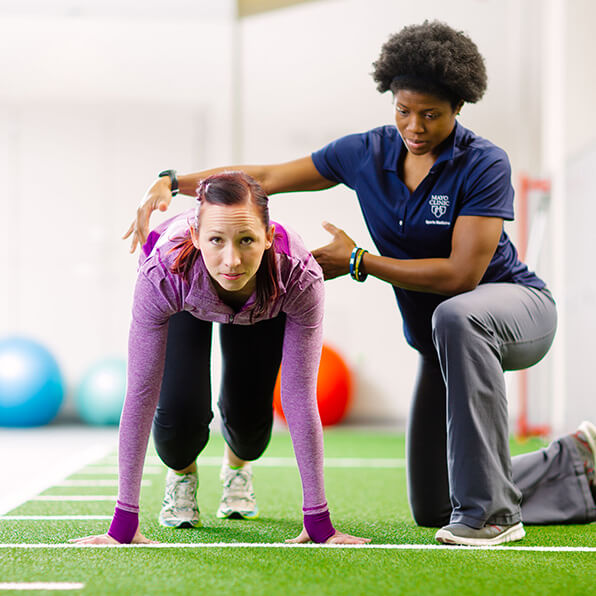
Expert assistance acts as a key function in supporting seniors develop personalized exercise plans. Seeking advice from medical professionals, mobility experts, or exercise professionals verifies that programs are tailored to individual health conditions, physical capabilities, and objectives. These professionals can suggest appropriate exercise formats that address issues such as mobility concerns, osteoporosis, or cardiovascular limitations. Through consistent evaluation and adjustment, exercise plans remain effective and motivating, promoting sustained engagement and progress.
Ultimately, empowering seniors to embrace fitness through inclusive fitness frameworks builds a visit this site culture of healthy living. When older adults are equipped with knowledge, confidence, and organized systems, they develop assurance in their strength and experience greater autonomy. Consistent movement boosts not only body health but also mental clarity and emotional resilience. By prioritizing inclusive, expert-led exercise plans, communities can help that every senior has the chance to lead a active, vibrant, and fulfilling life.